Batch Production of Dental Restorations Using SLM 3D Printing
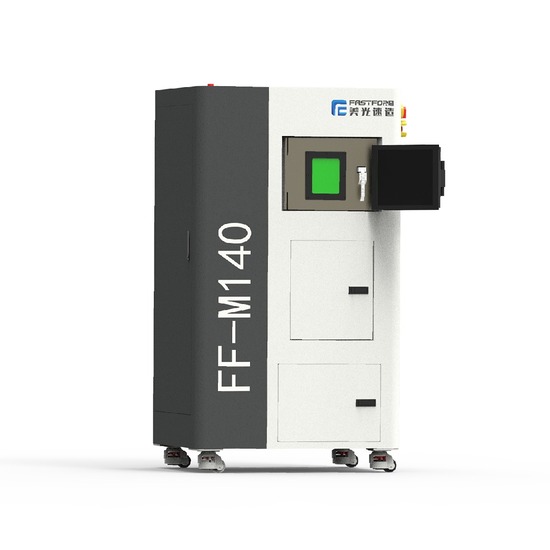
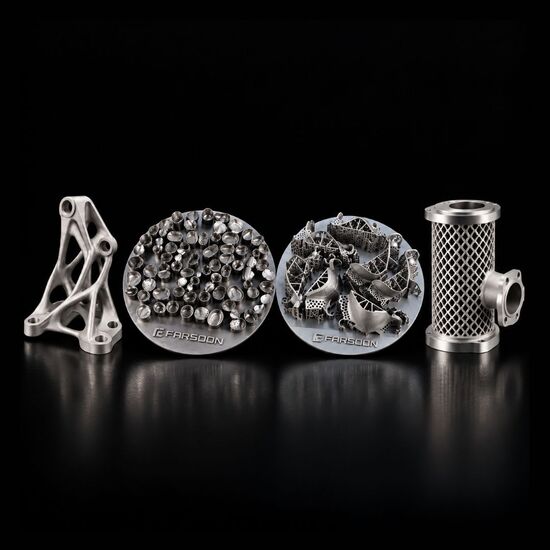
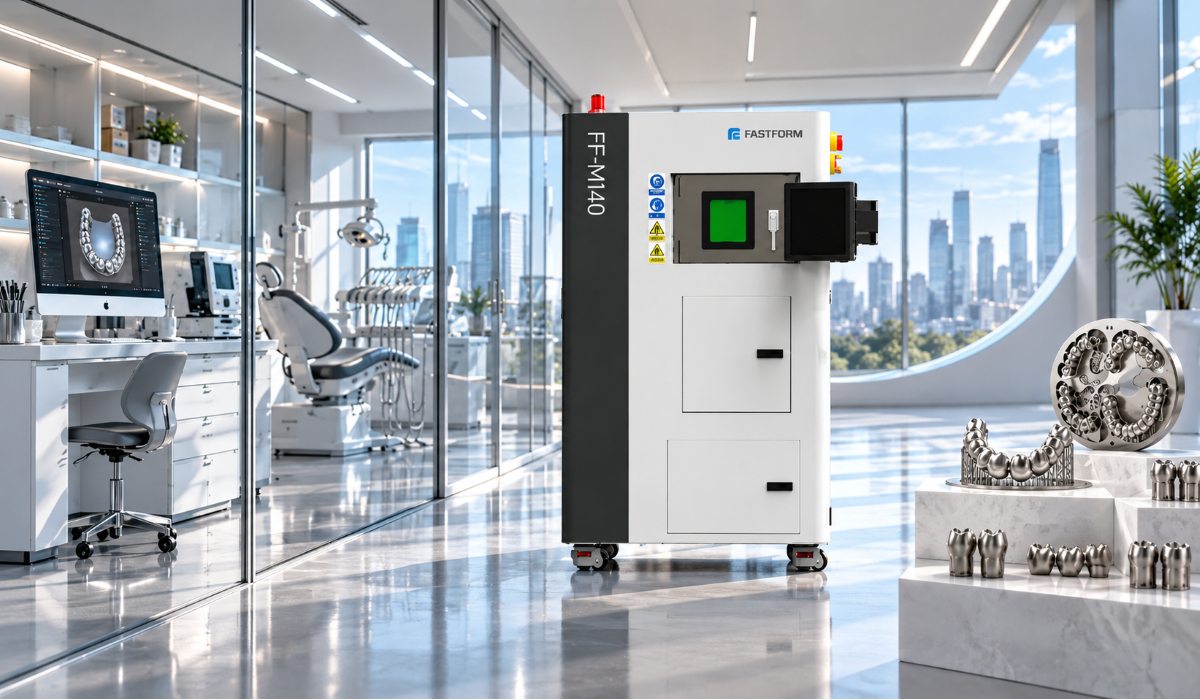
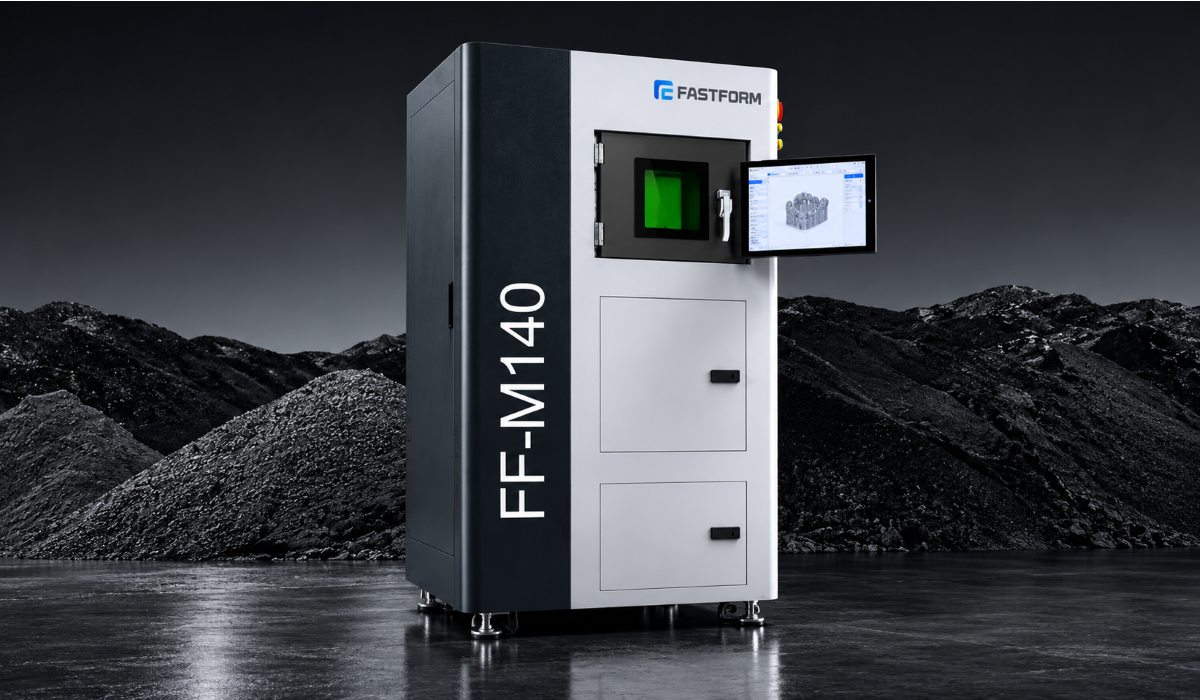
FastForm FF-M140C H is a dental 3D printer designed for additive manufacturing of metal dental crowns, bridges, frameworks, and other dental prosthetic structures using selective laser melting (SLM) of metal powder. The Ø140 × 100 mm build volume allows several models to be placed on one platform, while a production capacity of up to 150 crowns in 5 hours or 15 frameworks in 6 hours supports batch manufacturing of dental products. The printer is designed for dental laboratories and dental production centers that work with digital models and regularly produce metal restorations.
Advantages of FastForm FF-M140C H
Production of large batches of dental products. Up to 150 dental crowns can be printed in 5 hours or 15 frameworks in 6 hours during one production cycle. This capacity helps laboratories plan machine use according to the number of orders.
Batch arrangement of models on the build platform. The cylindrical Ø140 × 100 mm build volume provides enough space to produce several dental restorations at the same time. The number of parts depends on their geometry, orientation, and required support structures.
Adjustable build parameters. Layer thickness can be adjusted from 30 to 60 µm, allowing the process to be adapted to the metal powder and part geometry. Thinner layers help reproduce inclined surfaces and small details more accurately.
Precise laser melting. The laser spot diameter is 50–60 µm. This small laser interaction area is important for producing complex contours in compact metal parts.
Quick-release build platform. The magnetic fixing system makes it easier to install and remove the base plate. This reduces the number of additional operations when preparing the printer for the next cycle.
Long filter service life. The permanent filter is designed for 30,000 operating hours. This system reduces the need for regular filter replacement during intensive printer use.
3D Printing Performance for Metal Dental Frameworks
FastForm FF-M140C H can produce up to 150 metal dental crowns in 5 hours or 15 dental frameworks in 6 hours. These figures show the printer's batch production capabilities and help estimate the time required for manufacturing tasks.
For dental laboratories that regularly produce similar restorations, arranging models on the build platform is an important part of the workflow. Placing several parts in one print job makes it possible to produce batches without starting a separate print cycle for each part.
The actual number of finished restorations depends on model dimensions, build height, metal powder properties, and selected laser melting parameters. Production planning should also include the time needed to prepare the platform, remove remaining powder, and complete post-processing.
Build Volume and Laser Melting Parameters
The cylindrical build area, with a diameter of 140 mm and a height of 100 mm, is designed for manufacturing compact dental restorations. The available platform area allows dental crowns, frameworks, and other metal parts to be arranged according to their geometry.
Main part manufacturing parameters:
Layer thickness of 30–60 µm. This defines the vertical build step and affects the number of layers required to produce a part. Settings are selected according to the material, model geometry, and technical requirements.
Laser spot diameter of 50–60 µm. This describes the size of the area affected by the laser beam on the powder layer. This parameter is important for reproducing contours and small details in dental restorations.
Single-laser system. Metal parts are produced using one laser source that melts the powder step by step along programmed paths.
Between laser melting cycles, a flexible recoater spreads a new layer of metal powder across the build surface. The repeated application of powder and selective melting creates the part geometry according to the digital model.
Automated Preparation of Dental Models
FastLayer and FastFab software are designed to prepare digital models and manage production tasks on the FF-M140C H. Automation of individual operations reduces manual work when organizing batch SLM printing.
FastLayer supports automatic arrangement of dental crowns on the build platform. Model placement can be prepared with one click in approximately 5 minutes, making it easier to create print jobs containing many dental restorations.
FastFab is used to start prepared print jobs with one click. The software allows the printer to begin manufacturing based on the prepared production data.
Using both software products together creates a consistent workflow, from arranging digital models to starting the production of metal parts.
Protective Gas Atmosphere and Printing System Filtration
During selective laser melting of metal powder, FastForm FF-M140C H uses a protective atmosphere of argon or nitrogen. This gas environment limits contact between molten metal and oxygen in the air, which is important for process stability.
The choice of protective gas depends on the composition of the metal powder and its processing requirements. Different materials require suitable printing parameters.
The gas environment is cleaned by a permanent filtration system with a service life of 30,000 hours. The long filter service life reduces replacement frequency and related maintenance operations.
Metal Powders for the FF-M140C H Dental 3D Printer
SLM technology uses metal powders that are melted by a laser beam and form a dense metal structure after solidification. Material selection depends on the intended use of the part, required mechanical properties, and available printing parameters.
Cobalt-chromium alloys (CoCr). Used to produce metal bases for crowns, dental bridges, removable partial denture frameworks, and other dental prosthetic structures. These alloys offer high stiffness, mechanical strength, and corrosion resistance.
Titanium alloys. Used for dental components that require low weight, high strength-to-weight ratio, and corrosion resistance. The specific alloy grade is selected according to the requirements of the finished restoration.
Stainless steel. Can be used to manufacture auxiliary tools, fastening elements, and technical parts. Its use depends on the powder grade and the availability of compatible printing parameters.
The compatibility of specific metal powders must be checked before use. For dental products, additional requirements for materials intended for the relevant medical application must also be considered.
Magnetic Build Platform Fixing System
The quick-release base plate with magnetic fixing makes it easier to prepare the FF-M140C H for another print cycle. The design allows the platform to be installed and removed without traditional bolt fastening.
After printing, the operator can remove the base plate together with the manufactured parts for further processing. This fixing method is convenient for regular batch production of dental crowns, frameworks, and other dental restorations.
Technical Specifications of FastForm FF-M140C H
Parameter
Value
3D printing technology
SLM, Selective Laser Melting
Build volume
Ø140 × 100 mm
Number of lasers
1
Laser spot diameter
50–60 µm
Layer thickness
30–60 µm
Powder spreading system
Flexible recoater
Base plate fixing
Quick-release magnetic system
Filtration system
Permanent filter
Filter service life
30,000 hours
Protective gas
Nitrogen or argon
Software
FastLayer, FastFab
Net dimensions
1050 × 870 × 1750 mm
Net weight
450 kg
Buy FastForm FF-M140C H 3D Printer
Order the FastForm FF-M140C H dental 3D printer for batch production of metal dental crowns, denture frameworks, and bridges using selective laser melting technology. Our specialists will provide advice on technical specifications, compatible metal powders, equipment configuration, delivery conditions, and printer installation and commissioning.
We use cookies and other tracking technologies to improve the website, personalize content, and analyze traffic. You can adjust your settings in the settings.
Necessary cookies enable core functionality of the website. Without these cookies the website can not function properly.
Statistic cookies help website owners to understand how visitors interact with websites by collecting and reporting information anonymously.
A set of cookies to collect information and report about website usage statistics without personally identifying individual visitors to Google.
Marketing cookies store user data and behavior information, which allows advertising services to target more audience groups.
We use cookies and other tracking technologies to improve the website, personalize content, and analyze traffic. You can adjust your settings in the settings.
Necessary cookies enable core functionality of the website. Without these cookies the website can not function properly.
Statistic cookies help website owners to understand how visitors interact with websites by collecting and reporting information anonymously.
A set of cookies to collect information and report about website usage statistics without personally identifying individual visitors to Google.
Marketing cookies store user data and behavior information, which allows advertising services to target more audience groups.