


Technical Design: Shaping the Future of Innovation
Technical design is the process of creating detailed plans and specifications for products, systems, or structures, ensuring that they meet the required functionality, performance, and safety standards. This discipline integrates engineering, technology, and creativity to transform concepts into tangible solutions. Whether for industrial equipment, consumer products, or architectural structures, technical design is essential for the successful realization of ideas.
Key Elements of Technical Design:
- Precision Engineering. Technical design involves detailed calculations and precision to ensure that all components fit together perfectly and function as intended. It also takes into account factors like material selection, structural integrity, and ease of manufacturing.
- CAD Modeling. Computer-aided design (CAD) is a cornerstone of modern technical design. It allows designers and engineers to create 3D models and simulations, providing a visual representation of the final product before it is built.
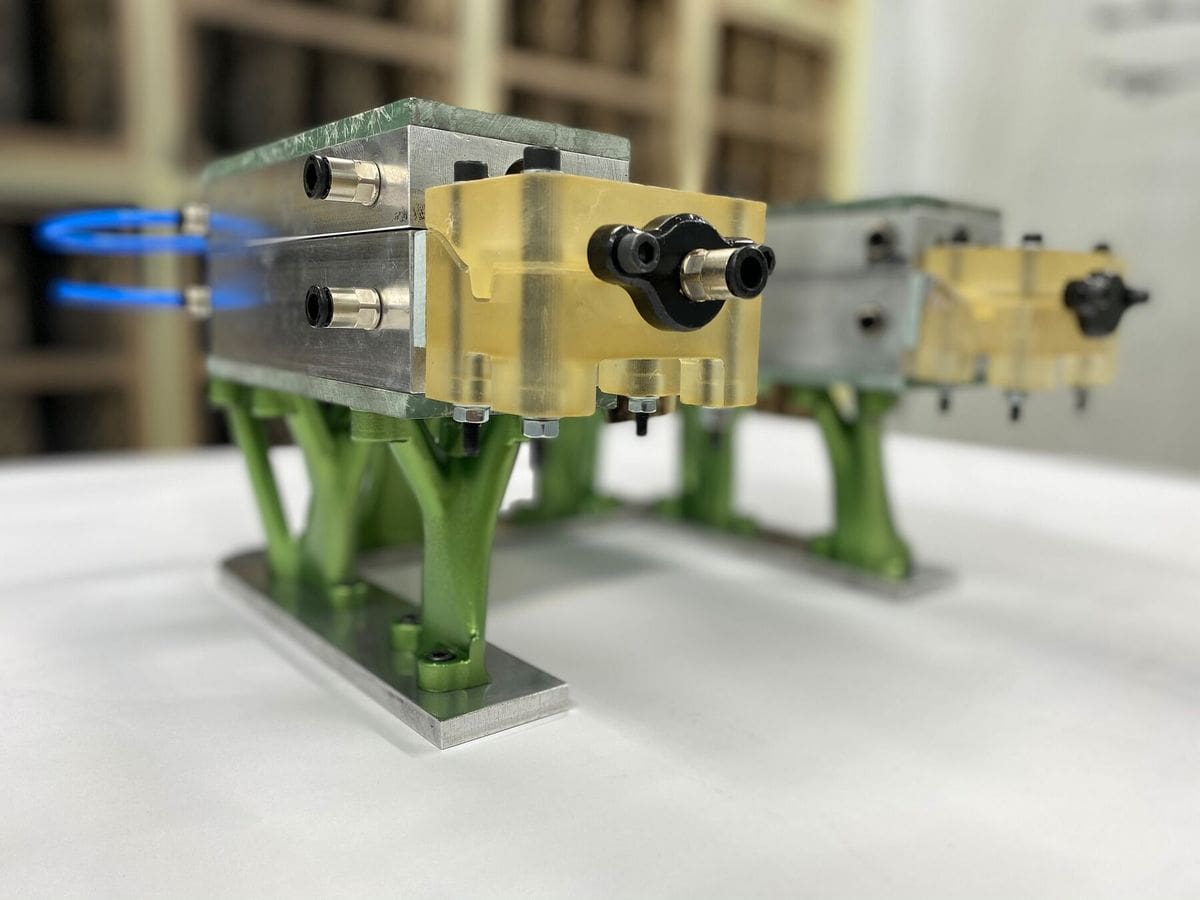
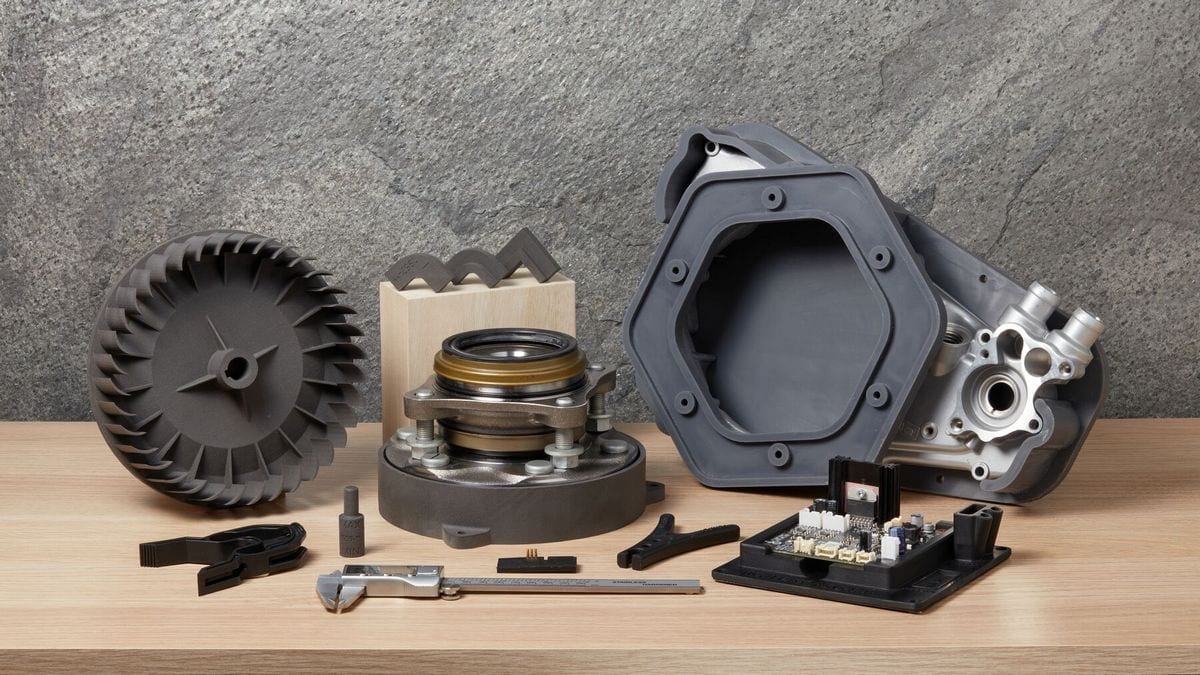
- Prototyping and Testing. In technical design, creating prototypes is crucial for testing and refining ideas. Prototyping allows designers to identify potential issues early in the process, ensuring that the final product meets all functional and aesthetic requirements.
- Collaboration. Successful technical design often involves collaboration among engineers, designers, and other specialists. By pooling knowledge and expertise, teams can address complex design challenges and ensure that all aspects of a project are considered.
- Innovation and Sustainability. Technical design also focuses on pushing the boundaries of innovation while considering environmental impact and sustainability. This may involve designing energy-efficient products or utilizing materials that minimize waste and promote recycling.
Applications of Technical Design
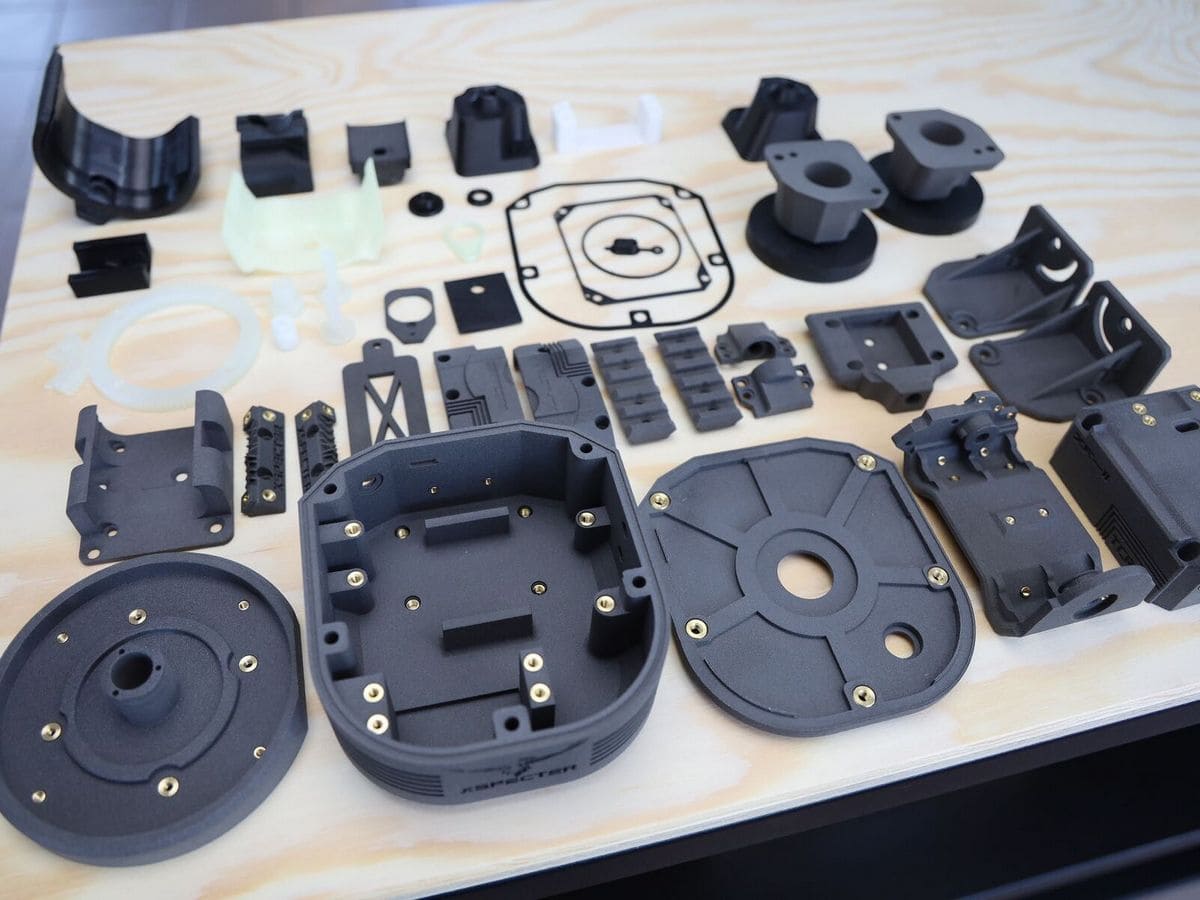
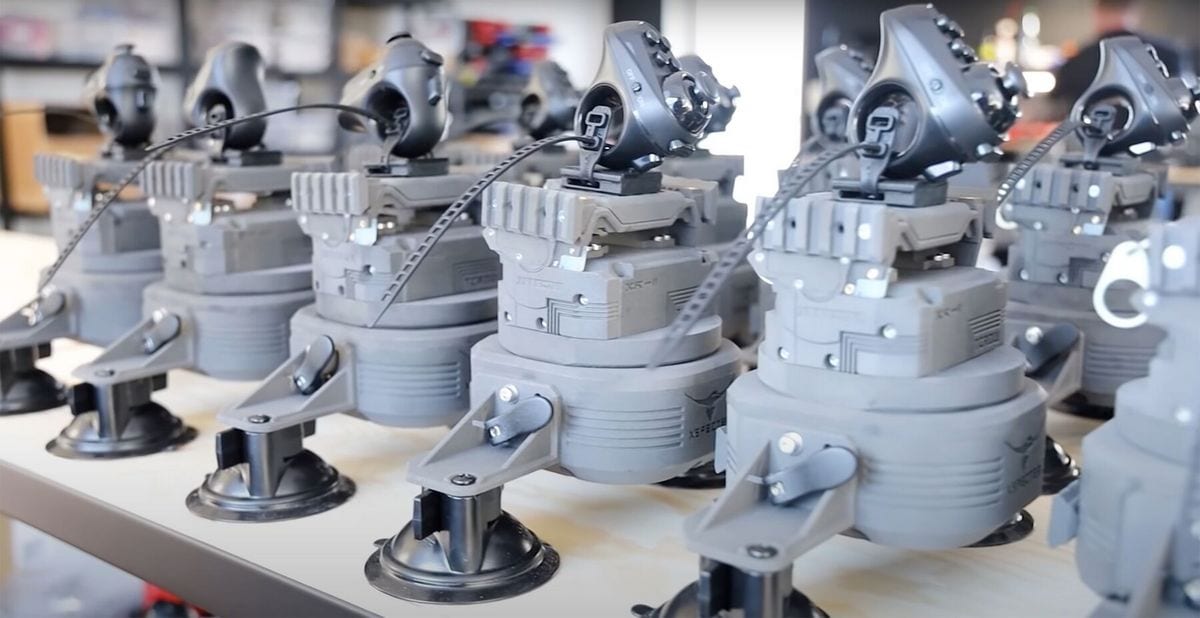
- Manufacturing. From machinery and production lines to consumer goods, technical design ensures that products are efficient, durable, and manufacturable.
- Automotive. In the automotive industry, technical design is crucial for creating safe, functional, and high-performance vehicles.
- Architecture. Technical design in architecture focuses on creating structures that are not only aesthetically pleasing but also safe, functional, and sustainable.
- Electronics. The design of electrical circuits, components, and devices requires technical expertise to ensure they work reliably and efficiently.
- Consumer Products. Technical design is used in creating everyday products, from smartphones to household appliances, ensuring they meet user needs and manufacturing standards.
The Future of Technical Design
As technology continues to evolve, the future of technical design lies in integrating advanced technologies such as artificial intelligence, automation, and 3D printing. These innovations will allow for even more precise, efficient, and customized designs. The continued focus on sustainability and eco-friendly materials will also shape the future of technical design, ensuring that products are both functional and environmentally responsible.