
3D Scanning: Revolutionizing Design and Manufacturing
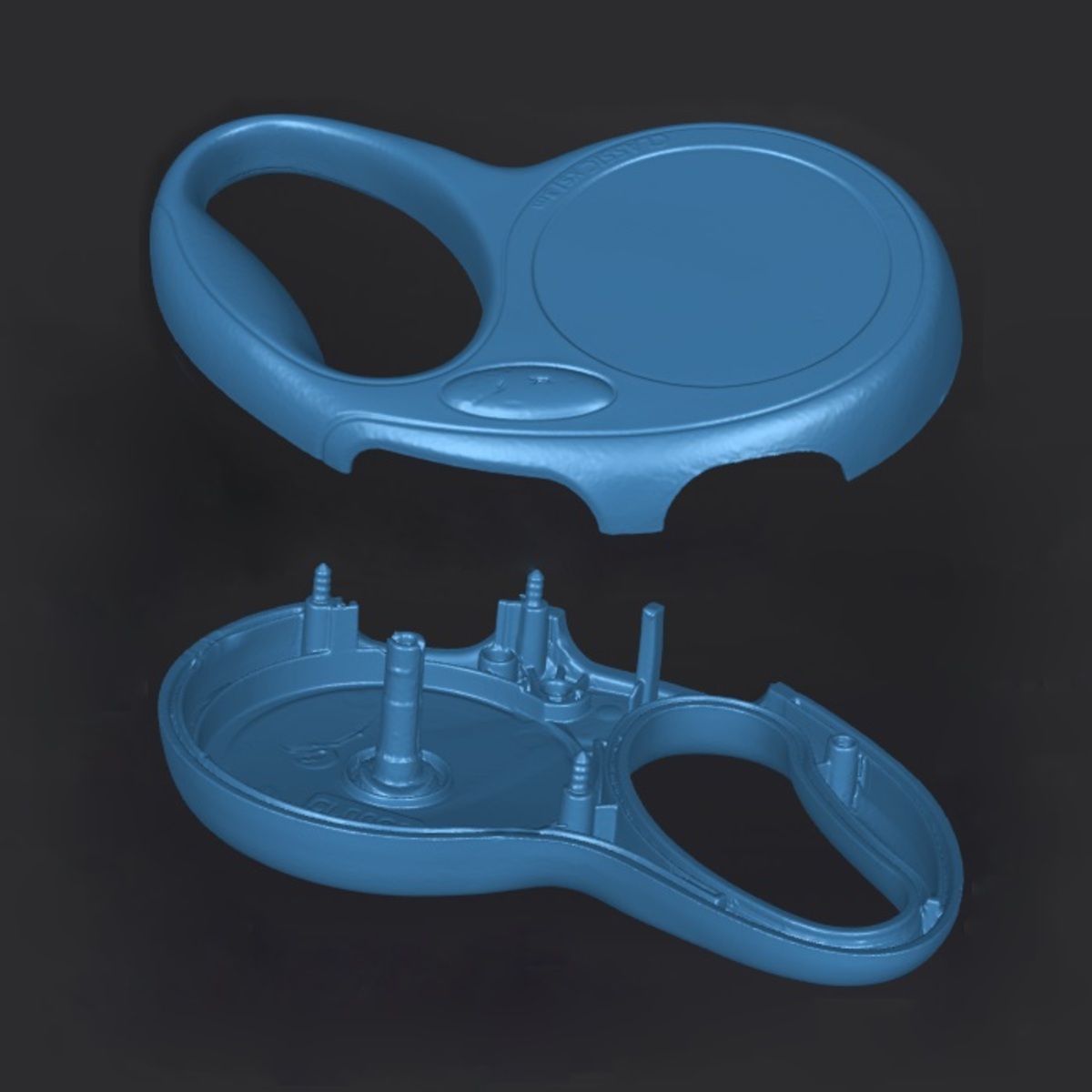
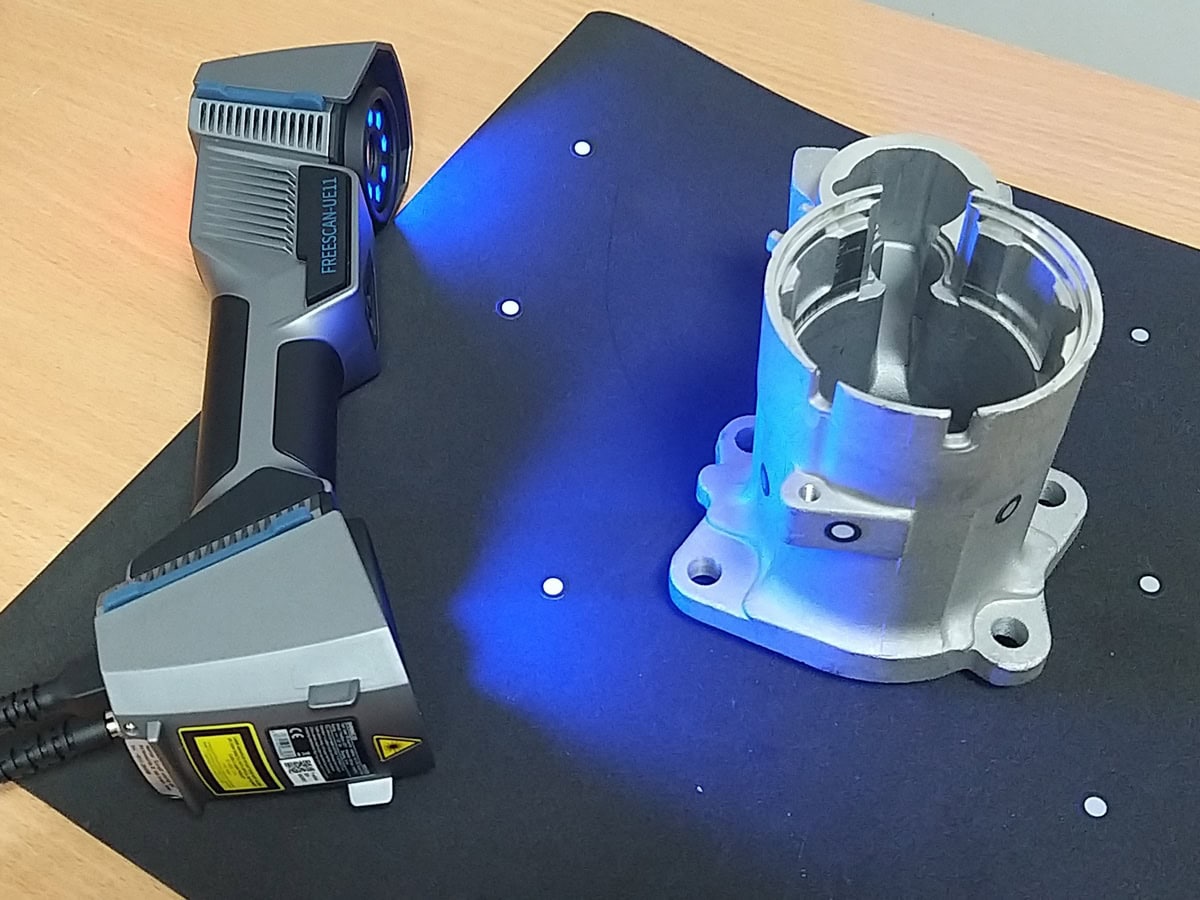
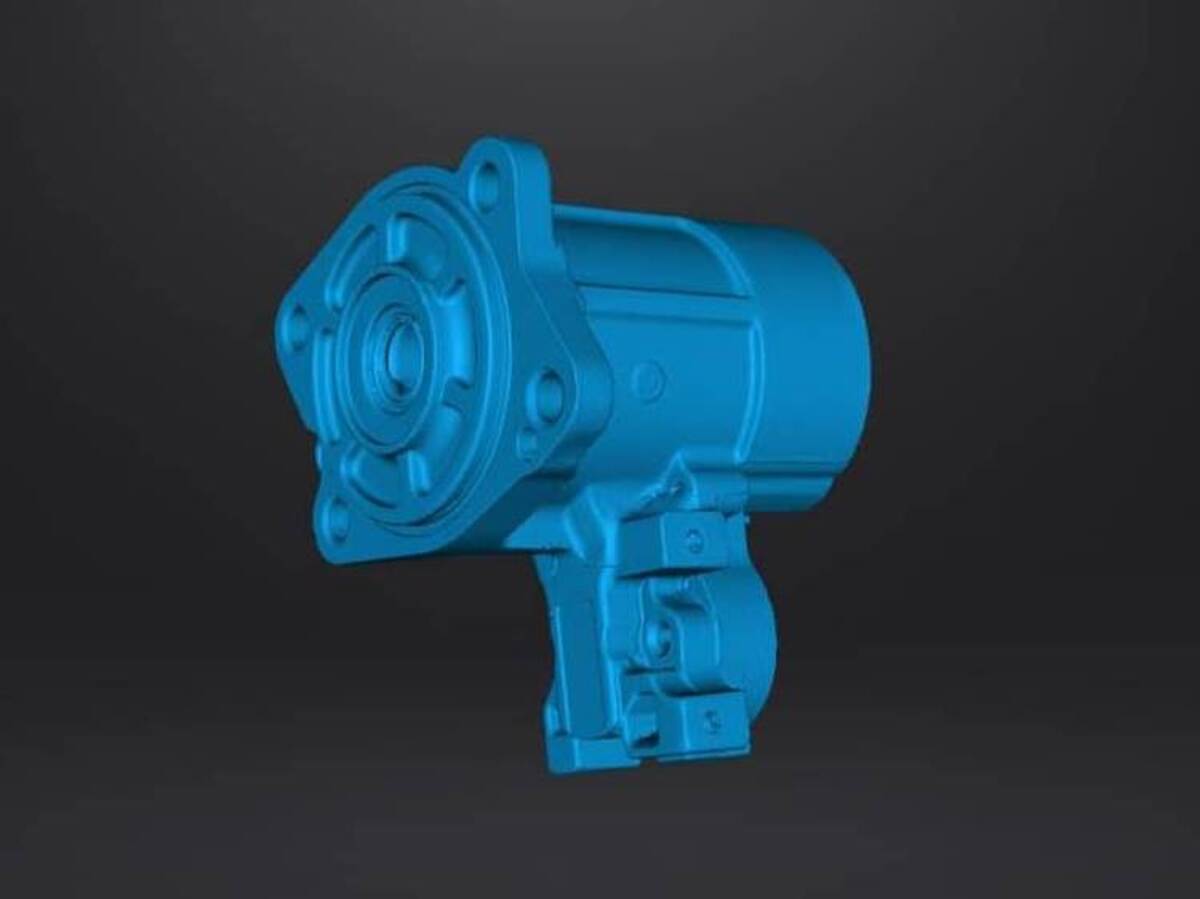
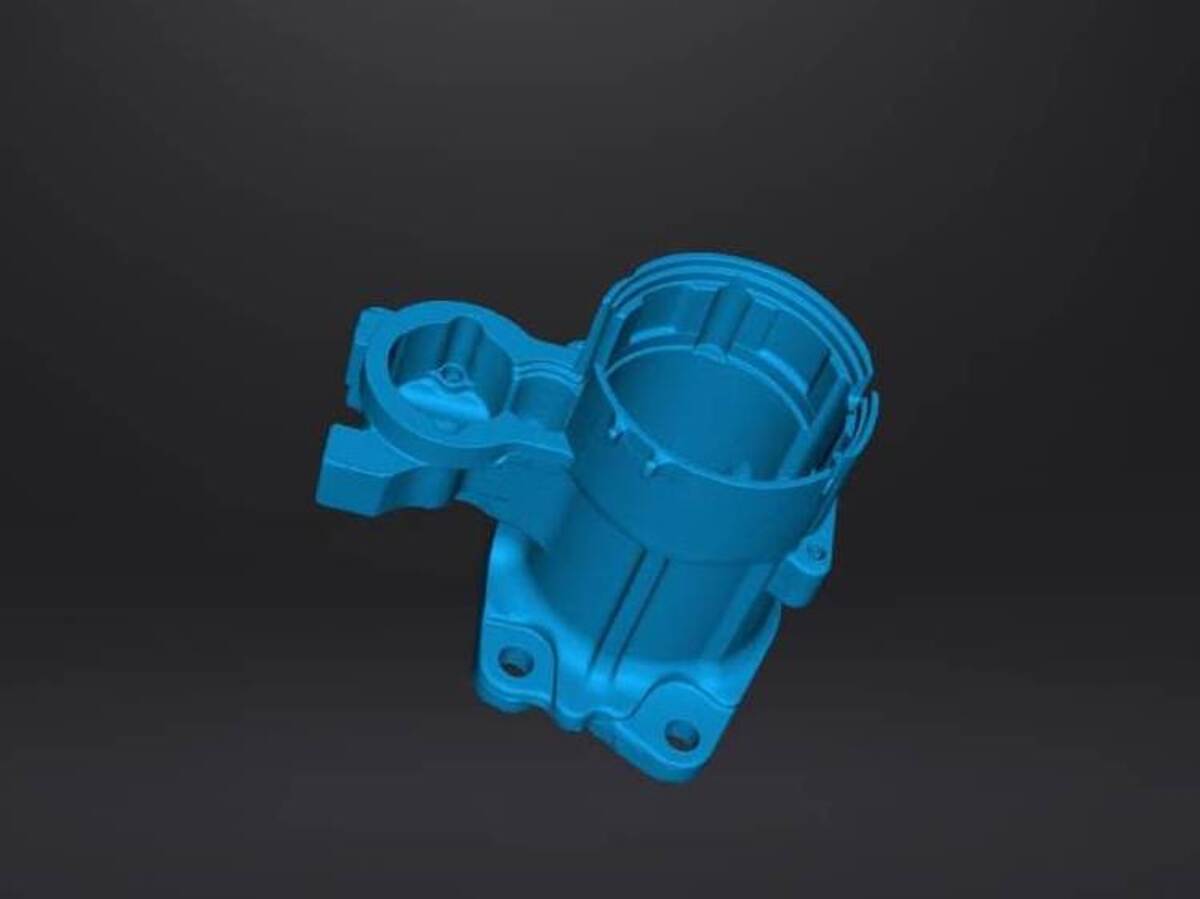
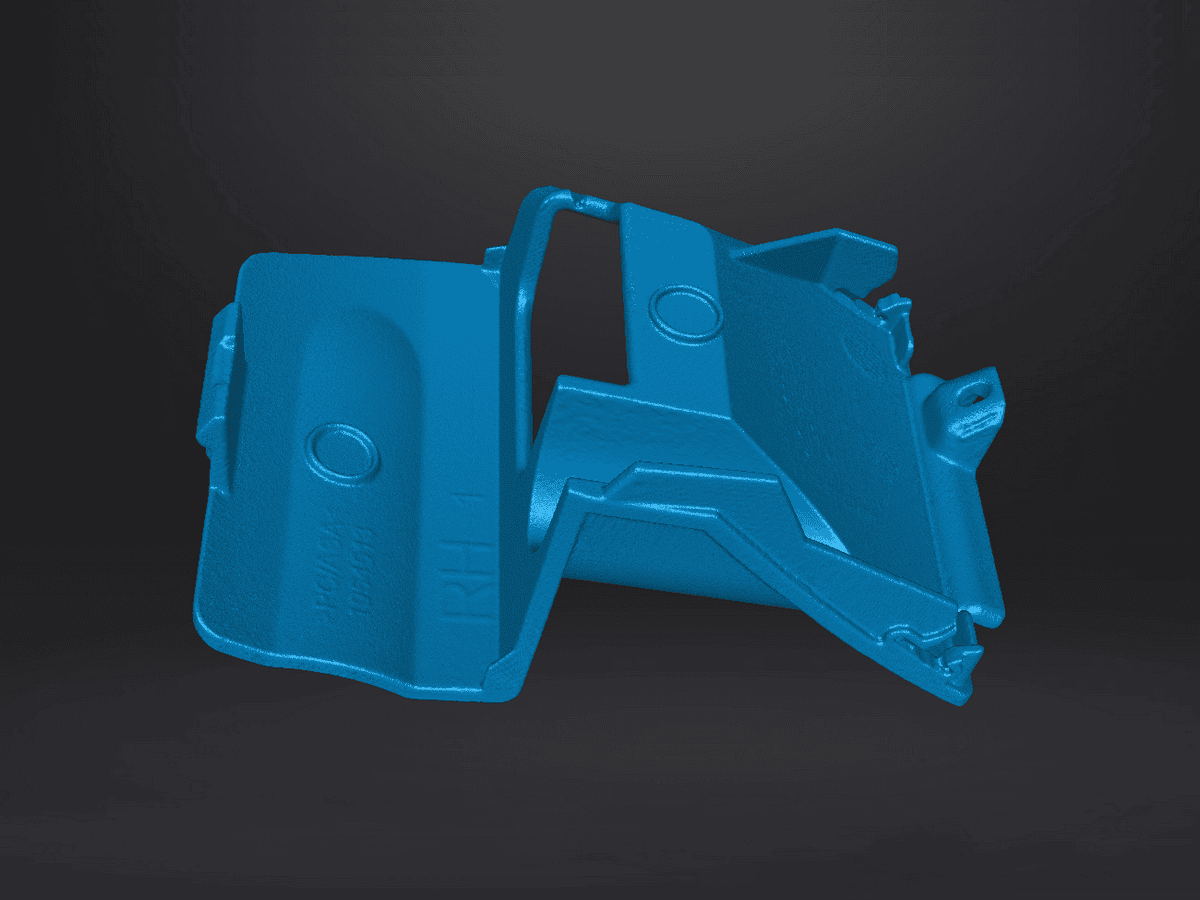
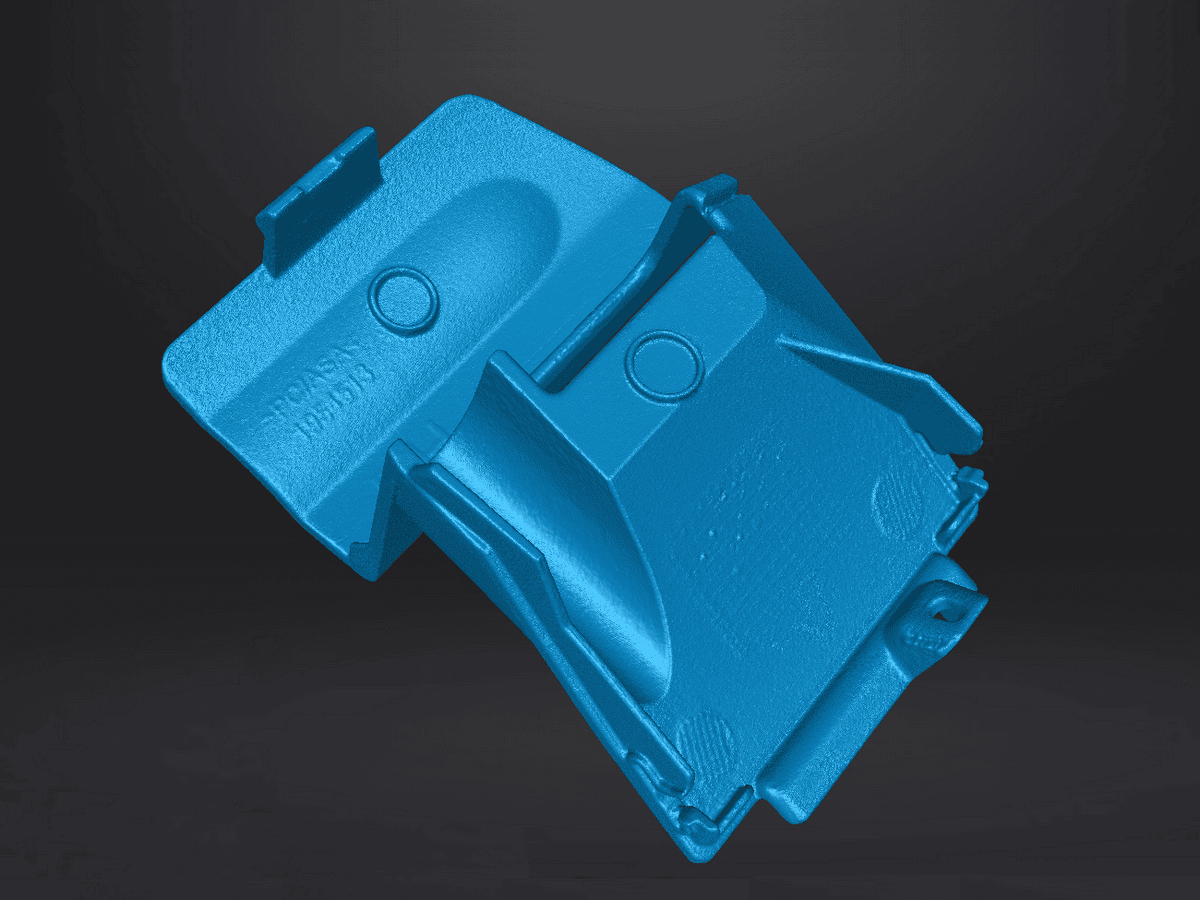
3D scanning technology is transforming industries by providing highly accurate digital representations of real-world objects. This process involves capturing the shape, size, and texture of objects through laser scanning, structured light, or photogrammetry. The data collected is then converted into a 3D model, which can be used for design, prototyping, manufacturing, or reverse engineering.
Key Benefits of 3D Scanning:
- Precision & Accuracy. With high-resolution scanners, 3D models are created with exceptional accuracy, making them ideal for applications in industries like healthcare, automotive, and aerospace.
- Efficiency in Design & Prototyping. By quickly scanning physical objects, designers can save time and resources compared to traditional methods of sketching and modeling.
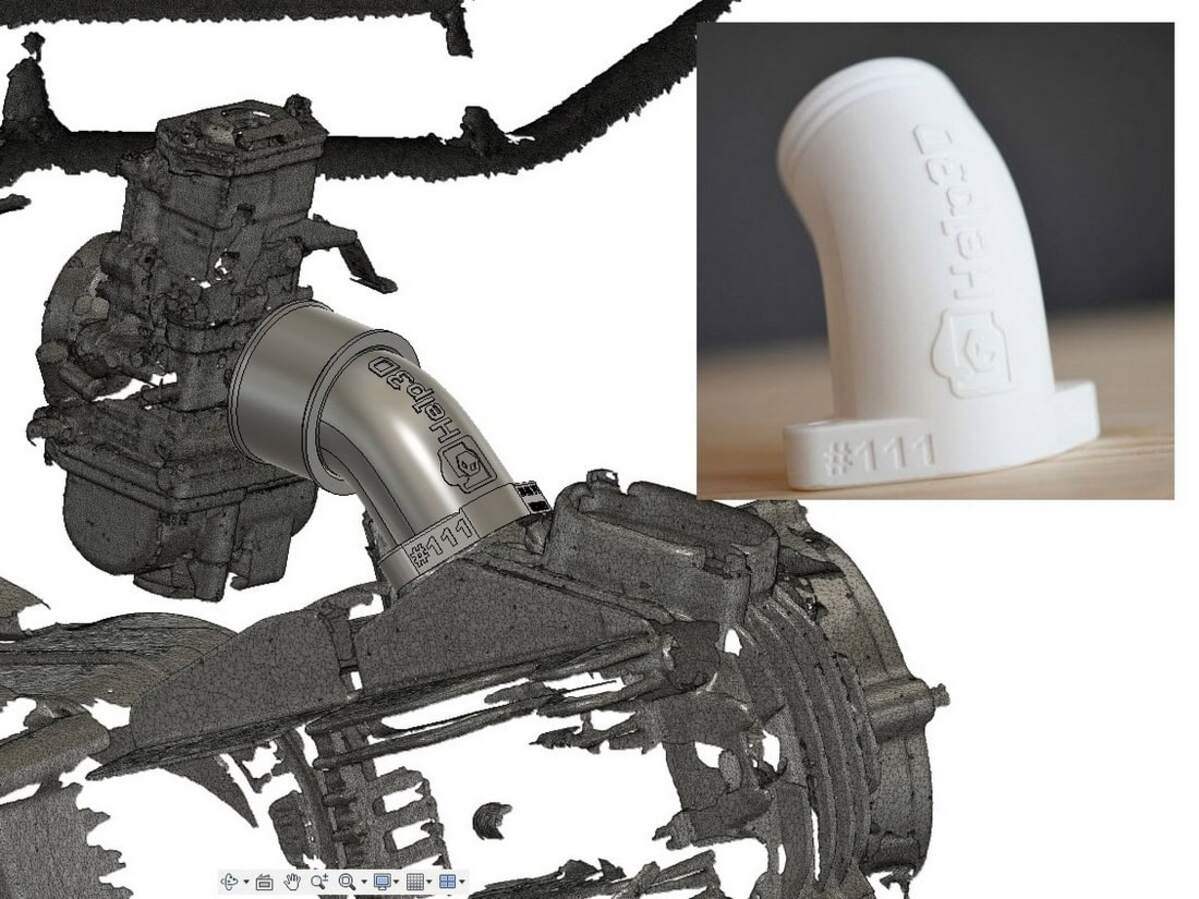
- Reverse Engineering. 3D scanning enables reverse engineering of parts or products that are no longer available, allowing for reproductions or improvements on existing designs.
- Enhanced Customization. In sectors like healthcare and fashion, 3D scanning allows for personalized solutions, such as custom-fit prosthetics or apparel, based on the exact measurements of an individual.
- Improved Quality Control. 3D scanning offers real-time data that can be compared to original CAD designs, ensuring products meet specified tolerances during the manufacturing process.
Applications of 3D Scanning
- Manufacturing. Optimizing the design and production of parts, ensuring precise replication.
- Healthcare. Creating accurate 3D models for prosthetics, implants, and dental applications.
- Architecture & Construction. Scanning existing structures for renovations or creating accurate building models.
- Cultural Heritage. Digitizing artifacts and historical sites for preservation or virtual exploration.
- Entertainment & Media. 3D scanning is used in film and gaming to create realistic digital characters and environments.
The Future of 3D Scanning
As 3D scanning technology advances, it's becoming more accessible and versatile, allowing industries to innovate and improve their processes. From virtual reality to additive manufacturing, the potential applications are limitless, making 3D scanning a vital tool in shaping the future of design and production.