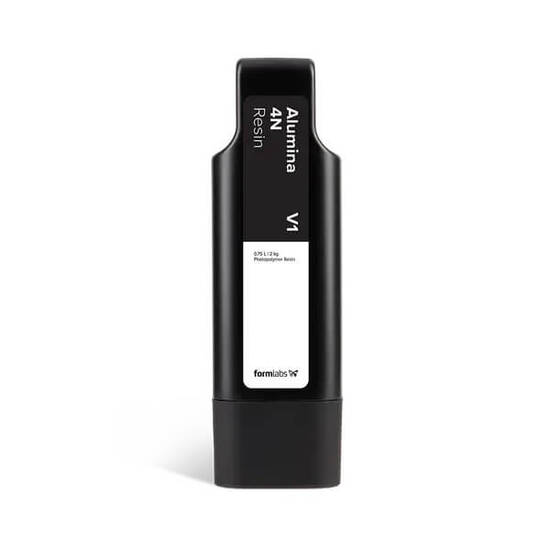
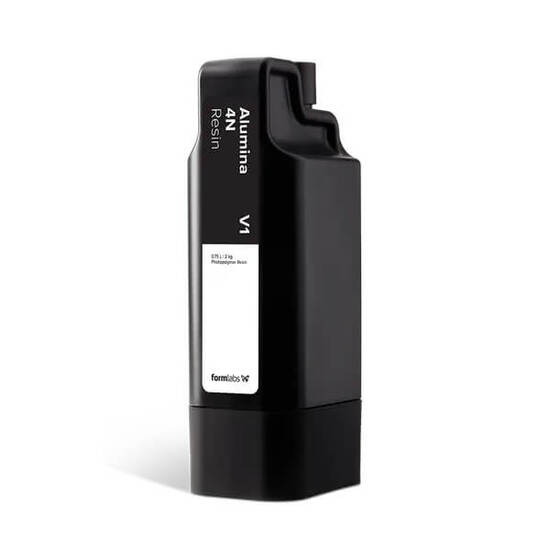
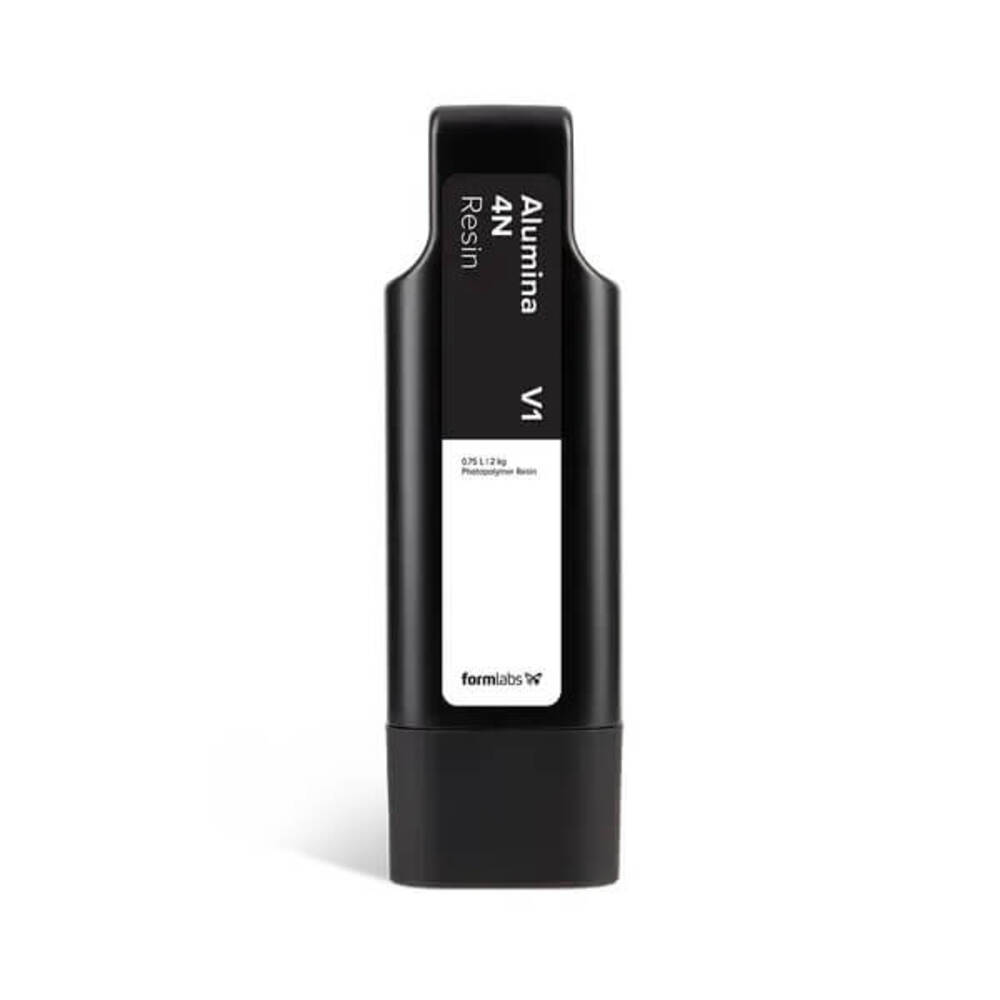
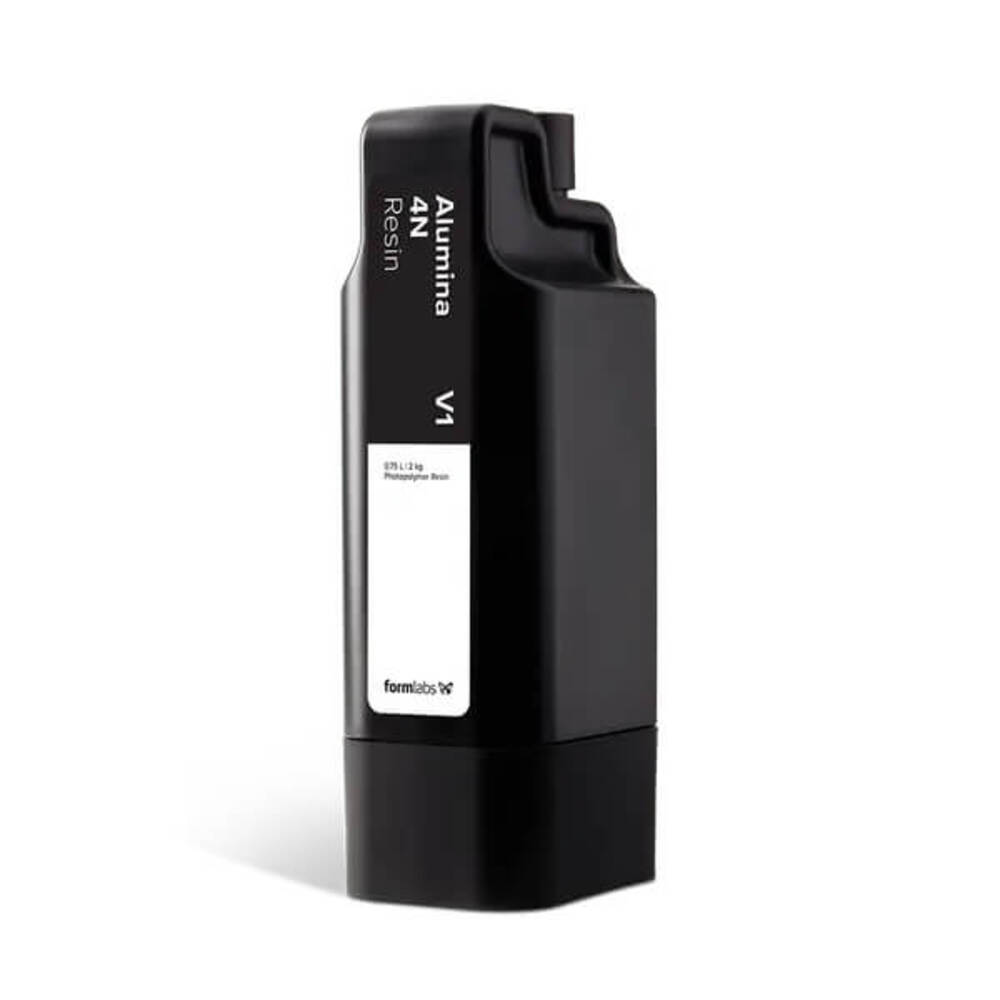
Formlabs Alumina 4N Resin Cartridge Form 4, 2 kg 0.78 l
Enter a new era of ceramic manufacturing with
Formlabs Alumina 4N Resin Cartridge (Form 4), 2 kg (0.78 l).
This groundbreaking material finally makes high-performance ceramic 3D
printing affordable and accessible. Designed as a Form X material for skilled
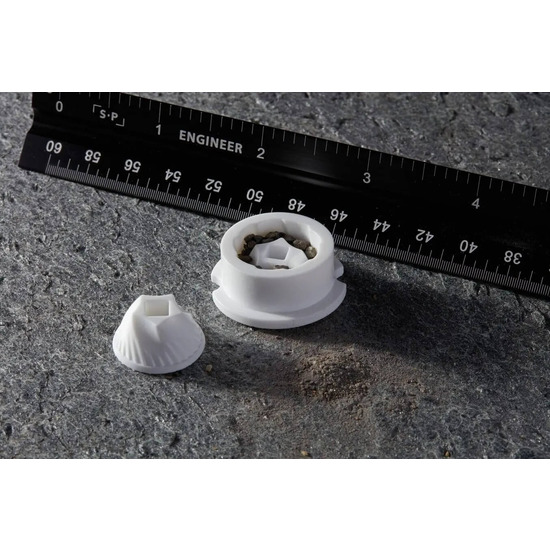
users, Alumina 4N Resin empowers you to produce exceptionally pure (99.99%),
fully dense technical ceramic parts. Bypass the high costs and long lead times
of traditional methods and create components with complex geometries that
deliver outstanding performance in extreme thermal, mechanical, and chemical
conditions.
Important Storage Information: Alumina 4N Resin has a 3-month
shelf life at room temperature. For an extended shelf life of up to 12
additional months, we highly recommend refrigerating the resin at a
temperature between -10 and 4 °C.
Unlock the Advantages of In-House Ceramic Printing
Alumina 4N Resin creates parts with a 98.6% relative density and material
properties that are comparable to traditionally manufactured alumina (Al2O3),
making it a transformative solution for advanced manufacturing.
Affordable Access to Advanced Ceramics
With a startup cost that is over ten times lower than leading alternatives,
the Formlabs ceramic 3D printing ecosystem removes the financial barriers to
producing high-performance technical ceramics. Take full control of your
production by bringing it in-house.
Break Free from Design Constraints
Create ceramic components with complex geometries, such as internal cooling
channels and intricate lattice structures, that are impossible to achieve with
traditional manufacturing. You can now optimize your part designs for maximum
performance without the limitations of molding or CNC machining.
Shorten Production Cycles and Cut Costs
Leave expensive tooling and molds behind. By 3D printing your ceramic parts
on-demand, you can significantly reduce production costs, accelerate
development cycles, and iterate on new designs more quickly and efficiently
than ever before.
Performance in the Harshest Environments
Manufacture parts you can rely on in the most demanding applications. With an
impressive maximum working temperature of 1500°C, a flexural strength of over
400 MPa, and a modulus of 380 GPa, your components will reliably resist heat,
compression, and deflection.
Ideal for Demanding Industrial Applications
Alumina 4N Resin provides a time and cost-effective method for fabricating
high-performance parts destined for extreme environments. Its excellent
thermal and electrical insulation, combined with superior chemical and wear
resistance, makes it a top choice for the aerospace, manufacturing,
automotive, and chemical industries. Common applications include:
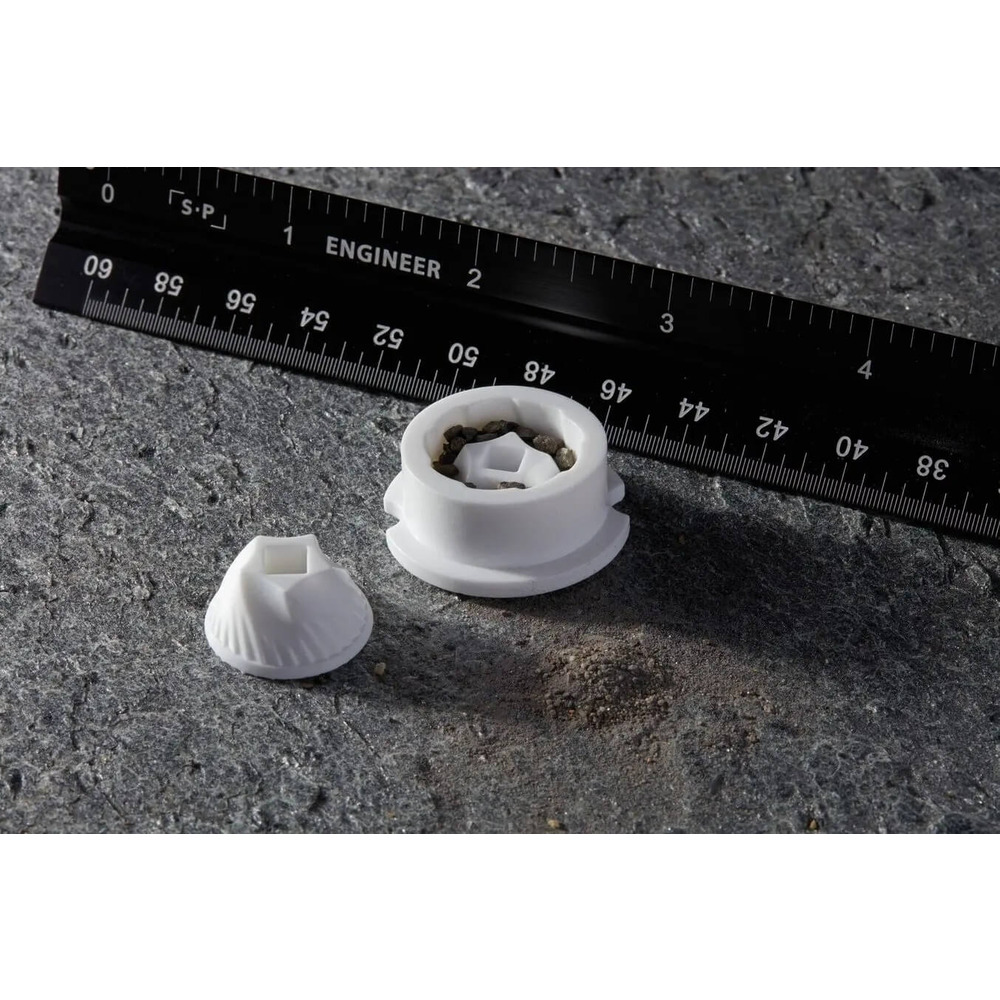
Electrical Insulators: High-voltage connector housings,
terminal blocks, and custom enclosures.
Wear and Chemical Resistant Parts: Tooling, mixing paddles,
and pipes for handling abrasive or corrosive materials.
Metal Casting and Foundry Tools: Custom crucibles,
thermocouple sheaths, filter cores, and casting gates.
Technical Material Data
Flexural Strength: >400 MPa
Purity: 99.99%
Relative Density: 98.6%
Coefficient of Thermal Expansion (CTE): 5 ppm/K
Maximum Working Temperature: 1500°C
A Professional Workflow for Ceramic Parts
As an advanced Form X material, producing parts with Alumina 4N Resin involves
a detailed, multi-step process. This guide outlines the key stages for
success.
Step 1: Design for Sintering
To compensate for shrinkage during the firing process, you must scale your
model in PreForm. Use a scaling factor of 121.5% for the X/Y axes and 126.5%
for the Z axis. Review your design to ensure all features adhere to the
recommended dimensional guidelines.
Step 2: Print Your Part
Thoroughly shake the resin cartridge for at least one minute before use.
Confirm that your build platform, resin tank, and mixer are clean. After
sending the scaled file to the printer, you can begin the print job.
Step 3: Wash the Green Part
Using a Form Wash, clean the printed parts with >99% IPA for a total of 20
minutes. This should be done in two 10-minute cycles, using fresh IPA for the
second cycle to ensure all residual resin is removed. Carefully detach the
parts from the build platform between cycles.
Step 4: Ensure Thorough Drying
Parts must be completely dry before moving to the furnace. Use compressed air
to clear any remaining IPA from surfaces and internal channels, then let the
parts air dry for a minimum of 30 minutes. A visual inspection should confirm
no wet spots remain.
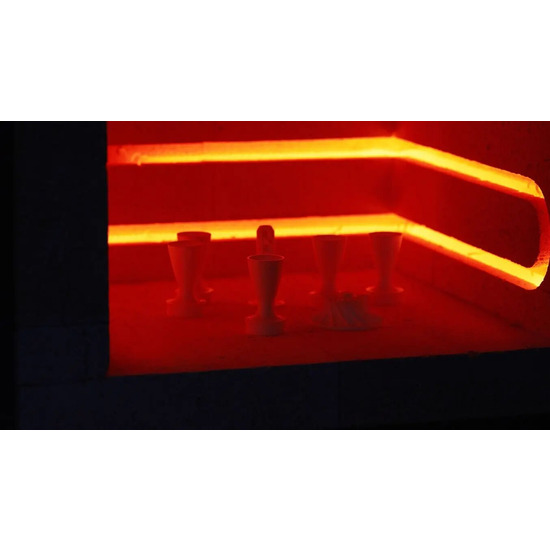
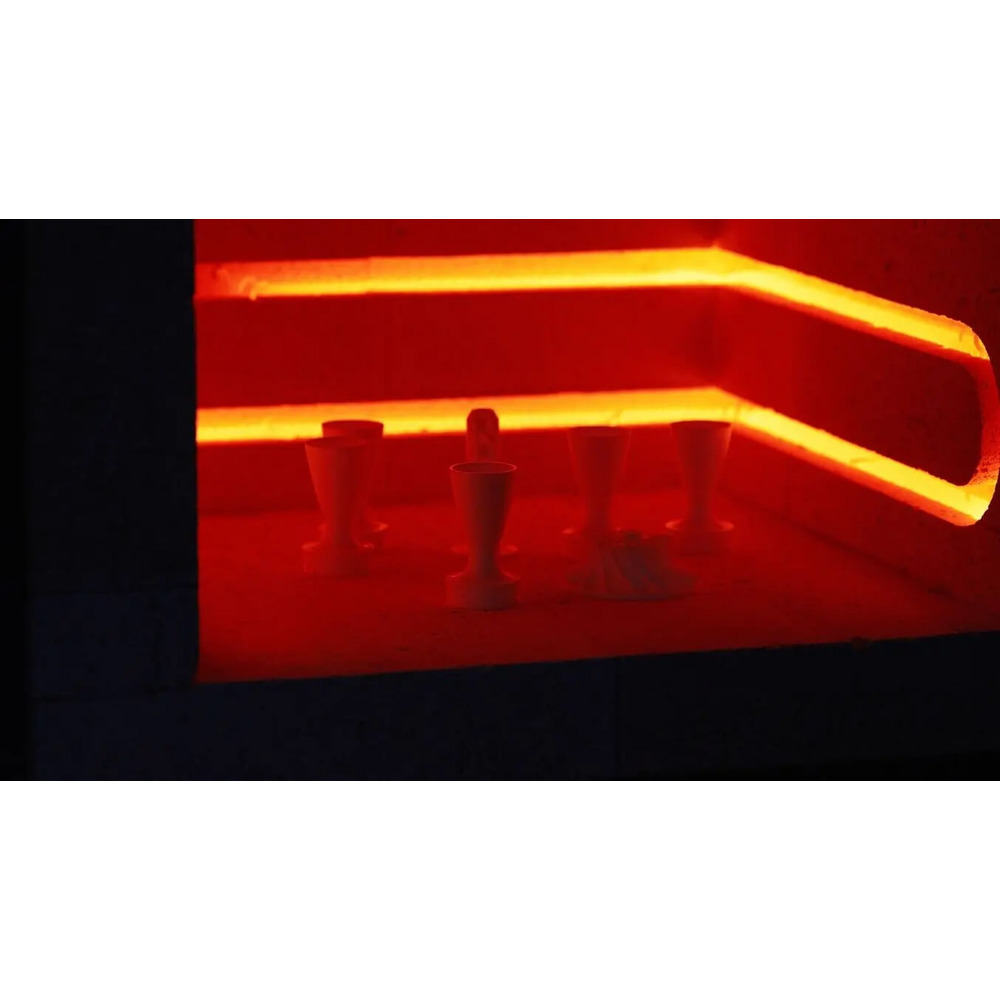
Step 5: Debind and Sinter in a Furnace
This crucial stage requires a furnace capable of reaching at least 1550 °C in
a well-ventilated space. Place the dry parts on an alumina setter plate. The
furnace will run a debind cycle to slowly burn out the polymer binder,
followed by a sinter cycle that heats the part to fuse the ceramic particles
into a dense, solid object. This combined process takes over 40 hours.
Step 6: Optional Finishing
Once the part has cooled, supports can be removed with pliers or a rotary
tool. For an ultra-smooth finish, the sintered parts can be sanded and
polished using diamond-tipped tools and appropriate polishing compounds.
Why Purchase from 3DPrinter?
As official Formlabs partners, we provide the best pricing, a full
manufacturer's warranty, and dedicated service support.
Our team of experts, with industry experience since 2012, is here to offer professional advice
and assist with your selection. We provide qualified support before, during,
and after your purchase to ensure your success. Shop with the experts at
3DPrinter.
Key Parameters
Printing technology
LFD
Volume (L)
0.78
Model
Form 4, Form 4L, Form 4B, Form 4BL
Layer height (µm)
50, 100
Biocompatibility
No
Country of origin
USA
Compatibility
Compatibility With Build Platform
Form 4 Build Platform, Form 4 Flex Build Platform, Form 4L Build Platform, Form 4L Flex Build Platform
Compatibility With Resin Tank
Form 4 Resin Tank, Form 4L Resin Tank
Material Parameters
Polymerization Needed
Required
Reviews
0/ 5
average product rating
Write a review
0
0
0
0
0
There are no reviews for this product. Be the first to leave your review.
No questions about this product, be the first and ask your question.
We use cookies and other tracking technologies to improve the website, personalize content, and analyze traffic. You can adjust your settings in the settings.
Necessary cookies enable core functionality of the website. Without these cookies the website can not function properly.
Statistic cookies help website owners to understand how visitors interact with websites by collecting and reporting information anonymously.
A set of cookies to collect information and report about website usage statistics without personally identifying individual visitors to Google.
Marketing cookies store user data and behavior information, which allows advertising services to target more audience groups.
We use cookies and other tracking technologies to improve the website, personalize content, and analyze traffic. You can adjust your settings in the settings.
Necessary cookies enable core functionality of the website. Without these cookies the website can not function properly.
Statistic cookies help website owners to understand how visitors interact with websites by collecting and reporting information anonymously.
A set of cookies to collect information and report about website usage statistics without personally identifying individual visitors to Google.
Marketing cookies store user data and behavior information, which allows advertising services to target more audience groups.