
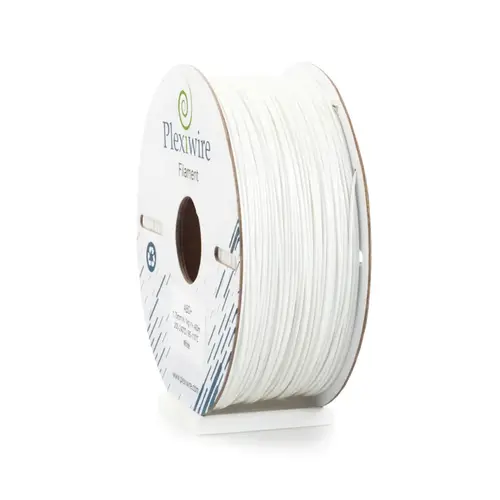
ABS+ Filament for 3D Printers
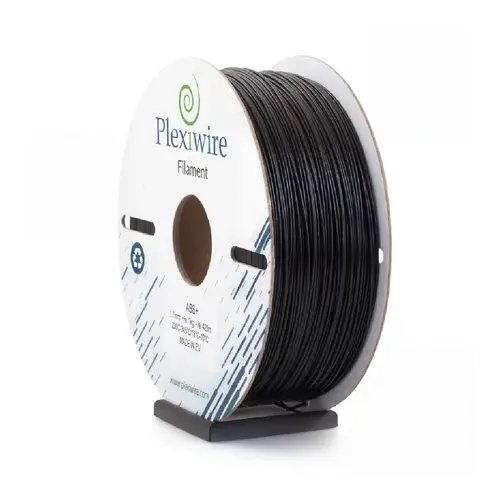
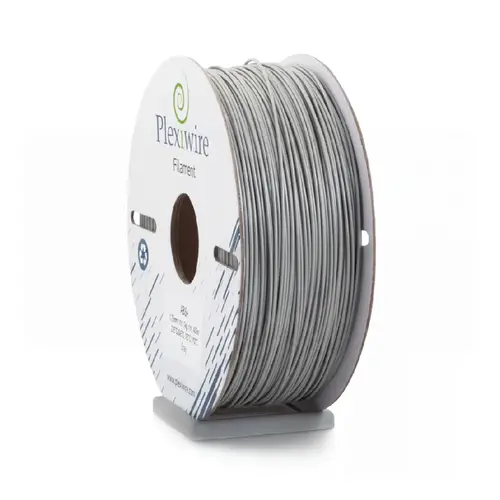
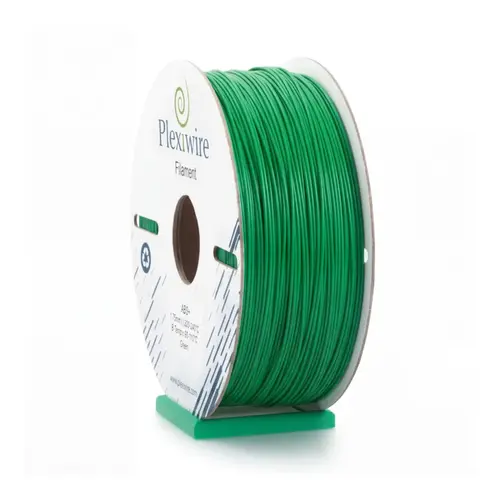
ABS+ filament for 3D printing is a modified ABS-based material designed to produce strong, functional parts with a reduced risk of warping during cooling. Compared to standard ABS, improved formulations can provide better print bed adhesion, lower shrinkage, and stronger layer bonding. Our catalog offers ABS Plus filament from various manufacturers in different colors and diameters.
What Is the Difference Between ABS+ and Standard ABS?
The main difference between ABS+ and standard ABS lies in the modified formulation, which improves the material's printing performance in FDM 3D printing. Standard ABS requires careful temperature control, as rapid cooling can cause corner warping, poor bed adhesion, and layer separation. ABS+ is designed to minimize these issues, making it easier to print large parts and models with complex geometries. Depending on the brand, ABS Plus filament may offer a wider printing temperature range and improved interlayer adhesion. However, recommended print settings should always be checked against the specifications of the specific material.
Key Benefits of ABS+ Filament
- Reduced shrinkage. Lower risk of warping during cooling compared to standard ABS.
- Improved bed adhesion. More reliable first-layer adhesion to the 3D printer's build surface.
- Strong printed parts. Suitable for producing functional components, housings, and mounting brackets.
- Better layer bonding. Reduced risk of delamination when using properly adjusted printing parameters.
- Moisture resistance. Finished parts are suitable for use in moderately humid environments.
- Post-processing options. Printed parts can be sanded, drilled, painted, and treated with compatible solvents.
- Versatile applications. ABS+ is used for prototyping, repairs, and manufacturing end-use parts.
ABS Plus 3D Printing Guidelines
ABS+ filament is compatible with FDM/FFF 3D printers that support the nozzle and bed temperatures recommended by the manufacturer. Despite the material's improved properties, proper nozzle temperature, heated bed settings, print speed, and cooling adjustments are essential for achieving high-quality results. For larger prints, an enclosed 3D printer is recommended to maintain a stable printing temperature. ABS+ should not be considered a completely shrink-free material. The degree of warping depends on the filament formulation, model geometry, and printing conditions.